
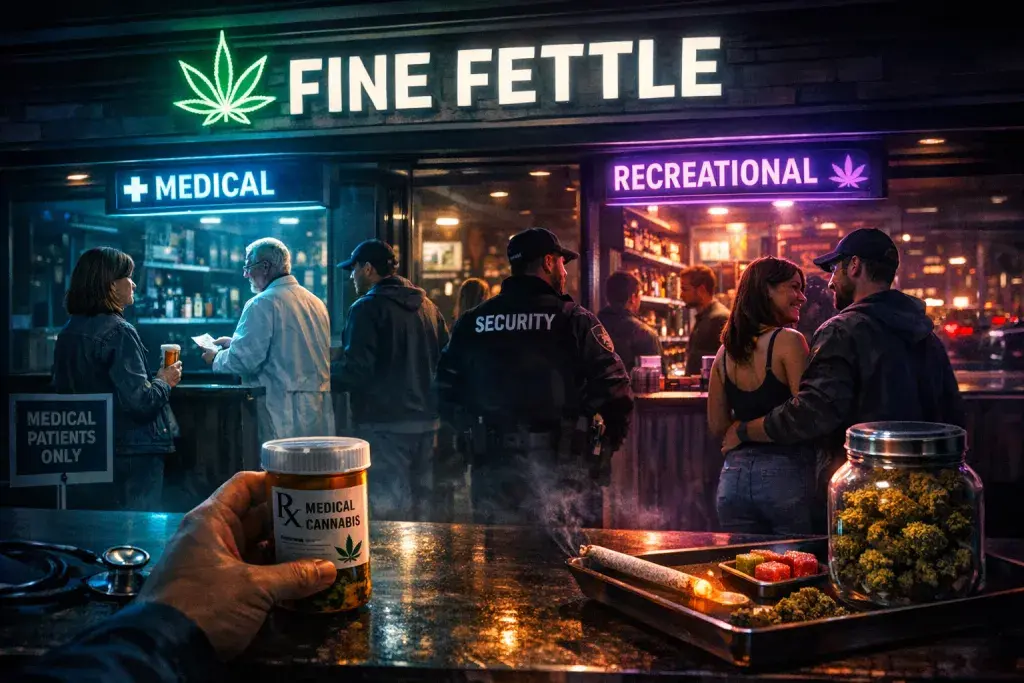
Fine Fettle, a cannabis dispensary chain with multiple locations across Connecticut including Willimantic, plans to shift every site to a hybrid model serving both medical patients and recreational customers. This expansion of access takes effect Thursday, aligning with a new state law that permits such conversions. The change marks a key step in broadening cannabis availability while prioritizing medical needs amid Connecticut's evolving regulatory landscape.
State Law Drives Dispensary Transformation
Connecticut legalized recreational cannabis sales in 2021, following years of medical marijuana availability since 2012. Dispensaries like Fine Fettle previously operated under strict medical-only rules, requiring patient registrations and physician certifications. The new law removes these barriers for existing medical operators, allowing them to add recreational sales without new licenses. Fine Fettle's Thursday switch reflects this policy shift, enabling seamless integration of services at sites from Stamford to Willimantic. Operators must still comply with medical patient priorities, such as dedicated lines and product allocations during peak hours.
Balancing Medical Access and Recreational Demand
Hybrid models address growing recreational demand while safeguarding medical users, who often seek cannabis for chronic pain, nausea, or epilepsy. In states like Colorado and Massachusetts, similar conversions increased overall sales by 20 to 50 percent in the first year, though exact figures vary by market. Connecticut's approach mandates protections, such as 30 percent product reservations for medical patients, to prevent shortages. Fine Fettle's move ensures continuity for registered patients at its Willimantic and other locations, where high-quality strains and edibles remain staples.
Implications for Public Health and Local Economies
This expansion could ease pressure on medical supply chains strained by recreational black-market competition. Public health officials monitor hybrid operations for risks like overconsumption among new users, emphasizing education on dosage and impairment. Economically, Fine Fettle's change boosts tax revenue for Connecticut, which collected over $200 million from cannabis in its first full recreational year. Willimantic, a working-class hub, stands to gain from job creation and reduced illicit trade, though community leaders watch for any uptick in youth access or traffic concerns near dispensaries. The hybrid framework positions Connecticut as a model for regulated growth in the national cannabis sector.