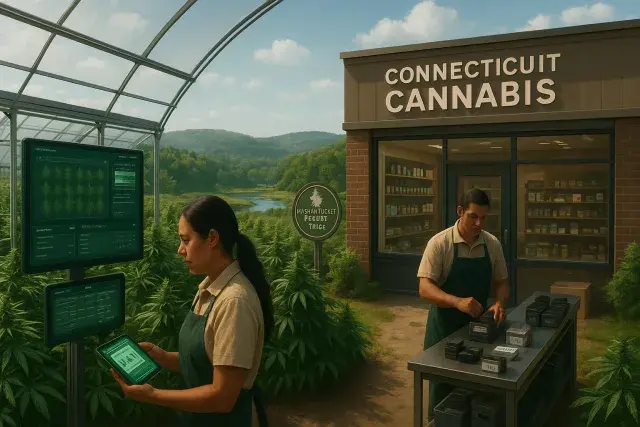
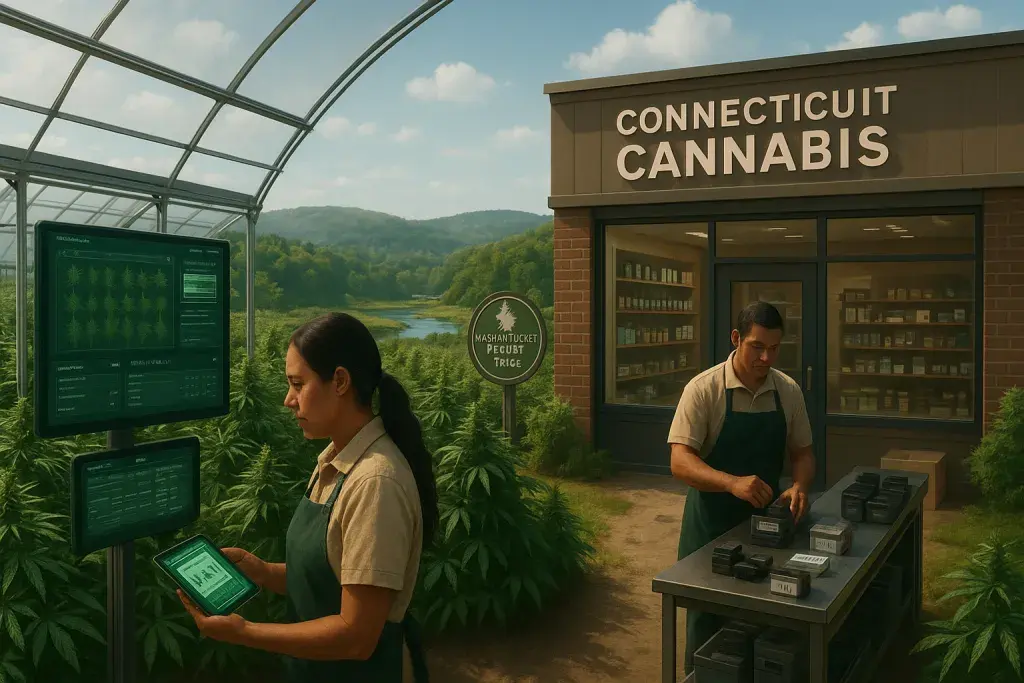
Gov. Ned Lamont signed a compact with the Mashantucket Pequot Tribe last week, setting the stage for tribal cannabis cultivation, manufacturing, and retail operations in Connecticut - a state whose licensed operators have, until now, faced limited direct competition. The agreement aligns tribal activity with Connecticut's existing regulatory framework, including seed-to-sale tracking and product restrictions, while carving out sovereign-land operations that fall outside the state's tax structure. For existing licensees already operating under some of the country's most restrictive cannabis regulations, this is a notable market development.
Connecticut's cannabis market has been defined by scarcity since adult-use legalization: license caps, high application fees, and vertical integration requirements that favor multi-state operators over small businesses. A cultivation license application alone runs $3 million - a figure that effectively priced out most independent operators from day one. That cost structure has kept competition muted and retail prices relatively stable, with the average price per gram of cannabis flower sitting just above $7 in recent months, according to state data. Operators in neighboring markets dealing with similar regulatory complexity have turned to tools like IndicaOnline dispensary software in Rhode Island to manage compliance workflows, inventory, and reporting demands - pressures that Connecticut's licensees know well. In a market where every cost line matters, the entry of a tribal competitor operating under a different tax regime will sharpen the focus on operational efficiency.
Here's the catch on taxes, though. Tribal cannabis won't carry state tax liability - but the compact requires the tribe to impose its own tax at a rate no lower than what state licensees pay in applicable state taxes. In practice, that means tribal cannabis won't automatically be cheaper at the point of sale. Whether a tribal retail operation could undercut state-licensed dispensaries on price would depend on its internal cost structure, not on a built-in tax advantage. That's a meaningful detail that early headlines about the compact may have obscured.
What the Compact Actually Requires
The agreement binds the Mashantucket Pequot Tribe to Connecticut's regulatory standards in several key areas. Track-and-trace compliance, product restrictions, and other state rules apply on tribal lands - which matters for wholesale relationships, brand partnerships, and any eventual integration with the state's METRC-based monitoring system. Cannabis activities are reserved exclusively for a tribal enterprise; no outside private operators can use the tribal compact as a backdoor into the market. That reservation limits the compact's immediate competitive footprint, but it also signals that tribal operations will be self-contained rather than a vehicle for circumventing licensure requirements.
Scale and Sales Context
Connecticut's adult-use market is still developing. The state recorded roughly $290 million in cannabis sales last year, compared to $1.6 billion in Massachusetts - a gap that reflects both the cap-driven shortage of retail locations and the slower buildout of supply. That sales deficit hasn't hurt licensed retailers on margin; with fewer competitors and constrained shelf space, price compression has been modest. The tribal compact doesn't immediately change that, since the Mashantucket Pequot Tribe has no adult-use cannabis operations yet despite authorizing legal marijuana in its jurisdiction in 2021. But the direction of travel is clear, and operators should treat this as a signal rather than a distant abstraction.
The broader pattern is worth watching. Michigan and Minnesota have both seen tribal operators enter their adult-use markets, with Minnesota's tribal dispensaries recording the state's first adult-use sales last fall. In each case, tribal entry introduced price and product competition that state-licensed operators hadn't previously faced. Connecticut's market structure - limited licenses, high barriers to entry, MSO dominance - means any new source of licensed supply and retail will register. Dispensary operators, wholesale brands, and multi-state operators with Connecticut exposure should factor tribal retail into their longer-term planning. The compact is signed. What comes next is a build-out timeline.