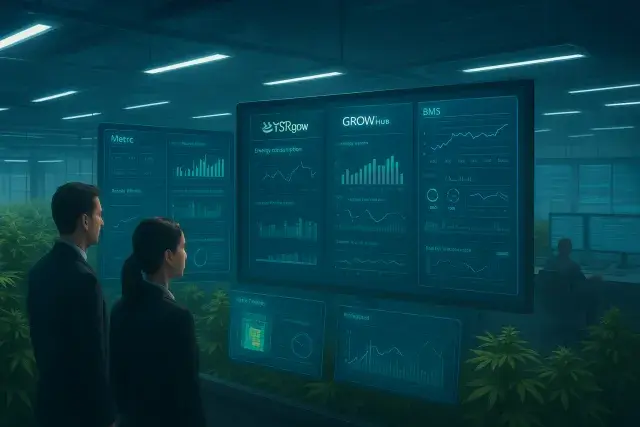
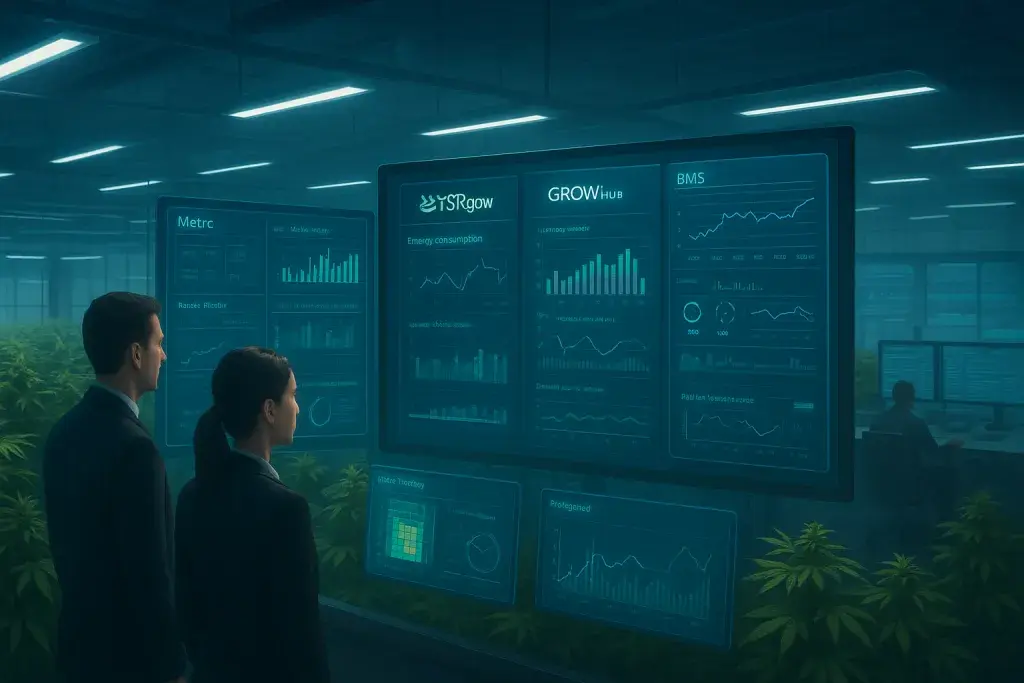
TSRgrow has rolled out a significant expansion of GROWHub, its cultivation software platform, adding energy monitoring, expanded batch records, Metrc integration and Building Management System connectivity ahead of 2026. For commercial cultivators, the update addresses a problem that has quietly cost operators time and money for years: cultivation data scattered across disconnected systems, with nobody able to see the full picture until harvest is already in the books.
That fragmentation problem is not unique to cultivation. Retail operators have faced a version of it too, particularly in markets where compliance recordkeeping and transaction data live in separate tools that never quite talk to each other. Operators evaluating a dispensary point of sale new mexico system know the value of a platform that ties sales, inventory and compliance reporting together rather than forcing staff to reconcile spreadsheets after the fact. GROWHub's expansion applies that same logic upstream, at the cultivation level, where the data volume is arguably even higher.
Why disconnected cultivation data is a real cost, not just an inconvenience
Commercial grows generate enormous amounts of operational information: light intensity by zone, photoperiod schedules, environmental readings, energy draw, and the manual notes cultivation teams keep on what worked and what didn't. When that information sits in separate systems, comparing one crop cycle against another becomes a manual exercise, prone to error and rarely done with any rigor. Growers end up making decisions based on institutional memory rather than documented history. That's a fragile way to run a facility, especially as it scales across rooms, zones or multiple sites.
GROWHub's expanded analytics and historical reporting are built to close that gap. By centralizing lighting recipes, environmental data and energy consumption alongside crop outcomes, cultivation teams can build an actual record - batch by batch, cycle by cycle - instead of relying on tribal knowledge that walks out the door when an employee leaves.
Compliance data is now a cultivation problem, not just a back-office one
The addition of Metrc integration and expanded batch-record functionality points to something operators across the supply chain are dealing with: compliance recordkeeping is no longer a separate task bolted onto operations after the fact. Track-and-trace requirements, audit readiness and evolving state reporting rules mean cultivation data and compliance data increasingly need to be the same dataset, not two versions maintained in parallel.
That matters more as federal rescheduling discussions continue and regulatory scrutiny of licensed operators shows no sign of easing. Operators who can produce a clean, traceable record of how a batch was grown - inputs, conditions, timing - are in a stronger position during audits than those piecing together documentation after a regulator asks for it. In practice, though, this only works if the system actually integrates with Metrc rather than requiring parallel manual entry, which is where a lot of "compliance software" quietly falls short.
Energy monitoring adds a facility-economics layer cultivators can't ignore
Lighting is one of the largest energy line items in an indoor cultivation facility, and utility costs have become a real pressure point for operators already managing thin margins under 280E tax treatment. Connecting energy consumption data directly to cultivation and environmental data gives operators a way to evaluate whether a given lighting strategy is actually worth its energy cost, rather than guessing based on utility bills that arrive weeks after the fact.
Expanded BMS connectivity extends that logic to the broader facility, reducing the number of independent systems an operator has to manage to understand overall performance. Fewer disconnected platforms generally means fewer blind spots.
What this signals for cultivation software going forward
GROWHub's evolution from lighting-control software into a broader intelligence platform mirrors a trend playing out across the cannabis supply chain: point solutions are consolidating into connected systems that touch cultivation, compliance, energy and facility management at once. For operators, that consolidation can mean fewer vendors to manage and a cleaner audit trail - but it also raises the stakes on choosing a platform that genuinely integrates rather than one that simply bundles disconnected tools under one dashboard.