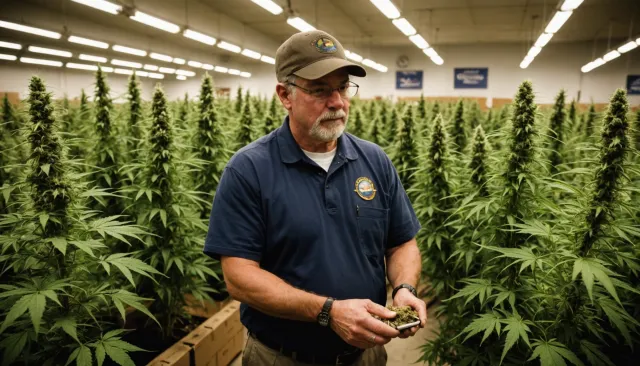
A federal deadline in December could reshape a Pennsylvania hemp industry worth an estimated billion dollars a year, as Congress weighs tighter restrictions or an outright ban on hemp-derived products containing THC. For Lancaster County operators like Jake Sitler, founder of Endo and president of the Pennsylvania Hemp and Cannabis Guild, the stakes are not abstract. They involve store leases, product formulations, and whether a farm-to-shelf business model built since the 2018 Farm Bill survives intact.
The mechanics of the fight are worth understanding. The 2018 Farm Bill legalized hemp with under 0.3% Delta-9 THC by dry weight, which opened the door to a category of drinks, gummies, and topicals that deliver measurable intoxicating effect without crossing into marijuana's regulatory lane. Congress recently closed what lawmakers called a loophole permitting these products to reach shelves largely outside the licensing, testing, and seed-to-sale tracking frameworks that govern state-licensed cannabis. That distinction matters operationally: a dispensary selling adult-use cannabis in a licensed state answers to METRC reporting, COA requirements, and excise tax; a hemp retailer selling a Delta-9 beverage in Pennsylvania has, until now, operated under a much lighter compliance load. Retailers across product categories increasingly rely on specialized retail infrastructure - the kind of platform referenced when operators search for cbd point of sale michigan - to track inventory, age verification, and batch data, precisely because regulators are signaling that informal recordkeeping will not survive the next round of rulemaking.
Why Regulators See a Compliance Gap
Pennsylvania Attorney General Dave Sunday has pointed to the absence of consistent oversight as the core problem: companies can formulate and sell intoxicating hemp products without the lab testing mandates, packaging standards, or age-verification enforcement that licensed cannabis dispensaries must follow. That gap is exactly what's drawing lawmakers' attention in Harrisburg and Washington. Unlike a state-licensed dispensary, where every SKU tracks through compliant packaging and every sale logs against a state database, hemp beverages and edibles have moved through convenience stores, gas stations, and specialty shops with far less friction. Fair enough to call that the wild west; it's also why child-resistant packaging and verified age gates have become the flashpoint issue.
What a Ban Would Mean for Small Operators
Sitler posts 21-and-over signage in his stores and says he supports regulation - just not a ban that treats compliant operators the same as bad actors. The distinction he's drawing is one regulators will have to make too: a wholesale prohibition would hit hemp farmers, extraction labs, and retail storefronts that built inventory and payroll around a legal product category, not just fringe sellers cutting corners. For Pennsylvania's hemp farmers, a federal ban would eliminate a buyer base overnight, with no transition period comparable to what adult-use cannabis markets typically build into licensing rollouts.
The Middle Path Advocacy Groups Want
As guild president, Sitler has pushed for a middle ground: real testing requirements, potency limits, and enforceable age restrictions, paired with protections for the agricultural side of the supply chain. That approach mirrors how alcohol regulation evolved - not by banning a category outright, but by layering licensing, taxation, and retail controls onto it. Whether Congress reaches for that model or a blanket restriction before the December deadline will determine if Pennsylvania's hemp sector operates next year under new compliance rules, or doesn't operate at all.